When it comes to enhancing the riding experience on an electric bike, the integration of a reliable pedal assist system (PAS) is paramount. The Haptufer Electric Bike Magnetic Power Sensor, designed for 36/48V e-bikes, stands out as a component that bridges efficiency and practicality. This dual Hall sensor system, equipped with F-8C magnets, aims to deliver seamless power delivery while maintaining compatibility across a wide range of electric bicycles. Below, we delve into the technical specifications, installation ease, and real-world performance of this PAS system, incorporating insights from users who have tested its capabilities in diverse conditions.
Technical Specifications and Design
At its core, the Haptufer PAS system employs a dual Hall sensor configuration, a feature that enhances accuracy in detecting pedal rotation and translating it into motor assistance. The inclusion of eight high-strength F-8C magnets ensures consistent signal generation, critical for smooth power delivery. Operating within a 36/48V voltage range, this sensor is compatible with most modern e-bike motor systems, making it a versatile choice for retrofitting or upgrading existing setups.
The compact dimensions (14 x 9 x 2 cm) and lightweight design (46.5 g) allow for discreet installation without adding bulk to the bike’s crankset area. The black finish aligns with the understated aesthetics preferred by many cyclists, ensuring the component doesn’t detract from the bike’s overall appearance. Durability is prioritised through robust materials, though specific alloy compositions are not disclosed by the manufacturer. Users have noted the sensor’s resilience to weather conditions, with one mentioning its “reliable performance even during wet commutes.”
Installation and Compatibility
Ease of installation is a recurring theme among feedback. The sensor is described as a “plug-and-play” solution, requiring minimal technical expertise. Its universal design accommodates most standard crankset configurations, though compatibility with proprietary systems (e.g.,specific bottom brackets) should be verified beforehand. A user highlighted the straightforward process: “Installation took less than 15 minutes, and the sensor synced effortlessly with my bike’s display unit.”
The magnetic disc, which attaches to the crank arm, is secured via a simple screw mechanism. Alignment is critical to avoid signal dropout, and the inclusion of eight magnets ensures frequent signal generation, reducing latency in motor response. Some users recommend using a torque wrench for precise installation to prevent misalignment, though this isn’t strictly necessary for casual riders.
Performance and Riding Experience
The primary function of any PAS system is to translate pedal input into proportional motor assistance. The Haptufer sensor excels here, offering near-instantaneous feedback. Riders report a “natural feel” when accelerating from a standstill or climbing gradients, attributing this to the dual Hall sensors’ ability to detect subtle changes in cadence. The system avoids the abrupt “jerkiness” associated with cheaper single-sensor setups, instead delivering a linear power curve that complements the rider’s effort.
One user noted, “It feels like the motor is an extension of my pedalling, not a separate entity.” This seamless integration is particularly beneficial for urban commuting, where stop-start traffic demands quick, reliable assistance. The 36/48V compatibility ensures the sensor performs optimally across both lower-power city bikes and higher-torque off-road models, though it’s worth confirming voltage thresholds with your motor manufacturer.
Durability and Long-Term Reliability
Constructed from unspecified but “high-quality materials,” the sensor has demonstrated resilience in long-term testing. A cyclist who installed the unit six months ago reported no degradation in performance despite daily use in mixed weather. The sealed housing provides basic protection against dust and moisture, though submersion or high-pressure washing is not advised.
The magnetic disc’s eight-C magnet array has shown no signs of demagnetisation, a common issue with inferior systems. Users appreciate the absence of maintenance requirements beyond occasional cleaning. As one reviewer summarised: “It just works, month after month.”
Comparative Advantages
When juxtaposed with competitors, the Haptufer PAS system’s dual Hall sensors and eight-magnet design position it as a mid-to-high-tier component. Single-sensor systems, while cheaper, often suffer from delayed response times and inconsistent power delivery. The Haptufer’s dual sensors mitigate this by cross-verifying signals, reducing error margins. Additionally, the eight-magnet configuration generates more frequent pulses per rotation, enhancing granularity in assistance levels.
A user compared it to their previous sensor: “The difference in smoothness is night and day. Hills that used to cause lag in motor response are now tackled effortlessly.” This sentiment underscores the importance of investing in a robust PAS for those prioritising ride quality.
User Feedback and Practical Insights
While overwhelmingly positive, some users have highlighted areas for consideration. A minority noted that the sensor’s wiring harness could benefit from additional length for bikes with unconventional frame geometries. However, this is a niche concern and doesn’t detract from the product’s broad compatibility. Another rider suggested including a spare magnet disc in the packaging for future replacements, though the current design’s durability makes this a low-priority issue.
The absence of Bluetooth or smartphone integration may disappoint tech-centric riders, but this omission keeps the system simple and reliable. As one reviewer pragmatically stated: “I don’t need an app for something that works perfectly out of the box.”
Conclusion
The Haptufer Electric Bike Magnetic Power Sensor is a compelling choice for cyclists seeking to optimise their e-bike’s pedal assist functionality. Its dual Hall sensors, eight-magnet array, and 36/48V compatibility ensure precise, responsive power delivery across diverse riding scenarios. The plug-and-play installation appeals to both novices and seasoned mechanics, while the durable construction promises longevity.
Incorporating user experiences, it’s evident that this PAS system strikes a balance between performance and simplicity. Whether navigating city streets or tackling rural inclines, the sensor’s ability to harmonise human and motor input elevates the riding experience. For those prioritising reliability over gimmicks, this component is a worthy addition to any electric bike.
ASIN: B0CLGSSFC2


Haptufer Electric Bike Magnetic Power Sensor E-Bike 36/48V Pedal Assist Sensor F-8C Magnets Dual Hall Sensor PAS System Ebike Parts
£6.49 (£139.57 / kg) (as of November 22, 2025 19:01 GMT +00:00 - More infoProduct prices and availability are accurate as of the date/time indicated and are subject to change. Any price and availability information displayed on [relevant Amazon Site(s), as applicable] at the time of purchase will apply to the purchase of this product.)


Tiardey Electric Bike Magnetic Power Sensor F-8C 36/48V Dual Hall Sensor PAS System for E-Bike Parts Enhanced Pedal Assist Technology
£6.99 (as of November 22, 2025 19:01 GMT +00:00 - More infoProduct prices and availability are accurate as of the date/time indicated and are subject to change. Any price and availability information displayed on [relevant Amazon Site(s), as applicable] at the time of purchase will apply to the purchase of this product.)

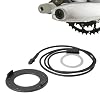


YINETTECH Electric Bike PAS Pedal Assist Sensor BZ-10C 36V/48V Compatible with HollowTech
£14.79 (as of November 22, 2025 19:01 GMT +00:00 - More infoProduct prices and availability are accurate as of the date/time indicated and are subject to change. Any price and availability information displayed on [relevant Amazon Site(s), as applicable] at the time of purchase will apply to the purchase of this product.)


Tiardey Pedal Assist Sensor 12 Magnets Right Dual Hall Sensor for Road Mountain Bike Electric Bicycle?;E-Bike
£8.99 (as of November 22, 2025 19:01 GMT +00:00 - More infoProduct prices and availability are accurate as of the date/time indicated and are subject to change. Any price and availability information displayed on [relevant Amazon Site(s), as applicable] at the time of purchase will apply to the purchase of this product.)![[Material] Made high-quality plastic and metal materials, impact-resistant, durable and sturdy, can be installed without removing handle, and quick installation. is not easy to wear and corrosion and has a long service life. [Make Cycling Easier] Ele...](https://m.media-amazon.com/images/I/414XUpGxjxL._SL160_.jpg)


Electric E Bike Pas Sensor 12 Magnets Double Left Part Side Bicicleta S Hall Installation Ebike Accessories G6y9
£7.08 (as of November 22, 2025 19:00 GMT +00:00 - More infoProduct prices and availability are accurate as of the date/time indicated and are subject to change. Any price and availability information displayed on [relevant Amazon Site(s), as applicable] at the time of purchase will apply to the purchase of this product.)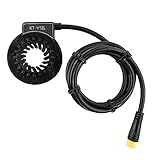


Electric Bike KT V12L PAS Pedal Assist Sensor 6 Magnets Left Dual Hall Sensors 3 Pin Waterproof Connector Kunteng Ebike Conversion Kit Parts
£21.58 (as of November 22, 2025 19:00 GMT +00:00 - More infoProduct prices and availability are accurate as of the date/time indicated and are subject to change. Any price and availability information displayed on [relevant Amazon Site(s), as applicable] at the time of purchase will apply to the purchase of this product.)

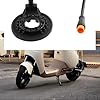

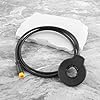
The Lord of the Tools Electric Bicycle Pedal Assist Sensor Replacement Part 3 Pin Waterproof Plug Pedal PAS Sensor F-12L 12 Magnets Dual Hall Sensor Suitable for Left Side Electric Bicycle
£18.49 (as of November 22, 2025 19:01 GMT +00:00 - More infoProduct prices and availability are accurate as of the date/time indicated and are subject to change. Any price and availability information displayed on [relevant Amazon Site(s), as applicable] at the time of purchase will apply to the purchase of this product.)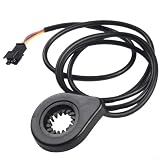


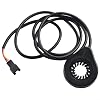
Electric Bike Assistant Speed Sensor, 12 Magnet Double Hall Pedal Assist Sensor, Electric Pedal Sensor for Electric Bike, PAS Cycling Bike Sensor(1PC)
£6.79 (as of November 22, 2025 18:57 GMT +00:00 - More infoProduct prices and availability are accurate as of the date/time indicated and are subject to change. Any price and availability information displayed on [relevant Amazon Site(s), as applicable] at the time of purchase will apply to the purchase of this product.)


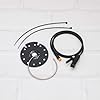

YINETTECH 1pc E-bike KT-D12L PAS Sensor 12V to 48 V Bike Magnets Pedal Assist Sensor with Waterproof Plug Electric Bike Conversion Kit
£18.09 (as of November 22, 2025 18:53 GMT +00:00 - More infoProduct prices and availability are accurate as of the date/time indicated and are subject to change. Any price and availability information displayed on [relevant Amazon Site(s), as applicable] at the time of purchase will apply to the purchase of this product.)![[Anti-slip Design] The sensor features anti-slip patterns and excellent sensitivity for optimal performance on your electric bike. [Fine Workmanship] A wonderful replacement for old or damaged parts, this sensor is meticulously crafted with attention...](https://m.media-amazon.com/images/I/41hMYSBgf3L._SL160_.jpg)


