In recent years, the UK’s e-bike revolution has been fueled not just by brand-new models, but by riders seeking to breathe new life into their existing bicycles. Converting a standard bike to electric offers a cost-effective, sustainable alternative to buying a pre-built e-bike—and for those willing to take the DIY route, kits like the SJZD Rear Wheel Electric Bicycle Conversion Kit strike a balance between simplicity, functionality, and performance. Targeted at commuters, casual riders, and even weekend adventurers, this kit stands out for its pre-assembled design, data-rich display, and broad compatibility—all key factors for anyone looking to make the switch without the hassle of complex mechanics.
The Joy of Pre-Assembly: Less Fuss, More Riding
For many riders, the biggest barrier to converting a bike is the fear of mechanical complexity. Spoke-lacing a rim, aligning a motor, or calibrating components can feel overwhelming—but this kit eliminates those pain points. The aluminum double-wall rim and brushless gearless hub motor arrive pre-connected, meaning you don’t need to touch a spoke wrench or worry about motor alignment. Instead, the process starts and ends with transferring your existing tire to the kit’s wheel.
Emma, a Manchester-based primary school teacher who uses her bike for a 5-mile daily commute, found this simplicity transformative: “I’ve never fixed anything more complicated than a flat tire, but swapping the tire over took 20 minutes. The rim felt solid—aluminum double-wall, so no flex—and the motor was already bolted in place. I didn’t have to guess if it was straight or secure.” This pre-assembly isn’t just convenient; it’s a safety feature. A misaligned motor or loose spoke can lead to wobbles or even accidents, but the kit’s factory-assembled wheel removes that risk.
The aluminum rim itself is a smart choice for UK roads. Potholes, curb hits, and wet conditions demand durability, and double-wall rims are stronger than single-wall alternatives—resisting dents and maintaining shape even after rough use. For riders like James, a Leeds-based mountain bike enthusiast who uses the kit on his trail bike, this sturdiness was non-negotiable: “I ride on gravel paths and muddy trails, and the rim hasn’t bent once. The motor’s weight is distributed evenly, so the wheel doesn’t feel unbalanced—even when I’m hitting bumps at speed.”
The LCD Display: Data That Actually Matters
Where many budget conversion kits cut corners is in their user interface—but this kit’s LCD display is a standout feature. Unlike basic LED panels that only show battery life, this display offers a full suite of ride metrics:
- Battery percentage: No more guessing when you’ll run out of juice.
- Current speed: Useful for staying within UK e-bike speed limits (25km/h assisted, 35km/h maximum with manual pedaling).
- Total one-way distance: Track your commute or weekend ride without relying on a phone app.
- Wattage usage: See how much power you’re using—key for extending battery life.
- PAS level: Adjust pedal-assist from 1 (gentle boost) to 5 (maximum help).
- Error codes: Instantly diagnose issues (e.g., loose cables, sensor malfunctions) without calling a mechanic.
For riders who value reliability, those error codes are worth their weight in gold. Take Sarah, a Birmingham-based nurse who installed the kit on her city bike: “Last month, I was riding to work when the display showed E03—‘throttle connection loose.’ I pulled over, tightened the plug, and was back on the road in 5 minutes. No panic, no missed shift. That feature alone made the kit worth it.”
The display is also sunlight-readable—a small but critical detail for UK riders who often face overcast skies (or the occasional burst of summer sun). The buttons are large and tactile, so you can adjust PAS levels or check battery life without taking your eyes off the road. James summed it up: “The display doesn’t overwhelm you with data—it gives you what you need, when you need it. I don’t have to fumble with a phone or a tiny screen mid-ride.”
Installation: 1–2 Hours, No Mechanic Required
One of the kit’s biggest selling points is its DIY-friendliness. The manufacturer estimates installation time at 1–2 hours for a single person—and user reviews back that up. The kit includes every component you need for a complete install:
- Hub motor with pre-assembled rim
- Controller (the “brain” of the system)
- LCD display
- Throttle (for twist-or-push power)
- Brake levers with motor cut-off sensors (stops the motor when you brake—UK safety compliant)
- Pedal-assist (PAS) system (senses your pedaling and provides assist)
- Torque arm (prevents the motor from twisting in the frame’s dropouts)
- Cable ties (for clean wire management)
- Free controller bag (weather-resistant, Velcro-mounted to keep electronics dry)
The instructions are printed clearly with diagrams, and each cable is color-coded and labeled (e.g., “display,” “throttle,” “battery”) to avoid mix-ups. For riders like Tom, a Cardiff-based retiree who converted his 20-year-old touring bike, the labeling was a lifesaver: “I laid all the cables out on the floor, matched the labels to the controller ports, and plugged them in. No guesswork—no mistakes.”
There are two key notes to remember:
- No battery included: You’ll need to purchase a battery separately (the manual lists the required voltage and power specs clearly—e.g., 36V/10Ah for basic use, 48V/14Ah for longer rides). This is standard for conversion kits (batteries are heavy and expensive to ship), but it’s worth double-checking compatibility.
- Cable management is key: Mixing up wires can damage the controller or motor—but the labeled cables make this easy to avoid. Sarah, the Birmingham nurse, added: “I used the cable ties to tuck wires along the frame. No dangling cables, no risk of catching on branches or bags.”
For riders who need help, the SJZD support team is responsive—Tom got an email reply within an hour when he had a question about PAS calibration. “They walked me through it step by step,” he said. “No jargon, just clear instructions.”
Performance: Quiet Power, Smooth Rides
The kit’s brushless gearless hub motor is the heart of its performance—and it’s a choice that pays off for daily use. Unlike geared hub motors (which use planetary gears to amplify torque), gearless motors offer three key advantages:
- Quiet operation: No whirring or grinding—you’ll barely hear the motor over the sound of your tires on pavement.
- Low maintenance: No gears to wear out or lubricate—just a sealed motor that lasts for years.
- Smooth acceleration: The motor delivers power gradually, so no sudden jolts when you start pedaling.
For Emma, the Manchester commuter, this translated to a more enjoyable ride: “The motor is so quiet, I forget it’s there until I hit a hill. I ride up a steep bridge every morning, and the assist kicks in smoothly—no jerky starts. It makes the hill feel like a flat road.”
The motor’s maximum speed of 35km/h is compliant with UK regulations (assisted speed is capped at 25km/h, but you can pedal faster if you want). For most riders, this is more than enough—commuters won’t need to go faster than 25km/h in traffic, and weekend riders can enjoy a boost on country roads.
The PAS system (pedal-assist) is another highlight. It uses sensors to detect your pedaling cadence and provides assist based on the level you choose (1–5). Level 1 is perfect for flat roads (a gentle boost to save energy), while Level 5 is ideal for steep hills (enough power to climb without breaking a sweat). James, the Leeds mountain biker, uses Level 3 for trails: “It gives me enough help to get up rocky inclines without taking away the feel of the trail. I still get a workout, but it’s not exhausting.”
For riders concerned about range, the motor’s efficiency is a plus. A 14Ah battery will get you 30–40 miles on a single charge—enough for most commutes or weekend rides. Emma, who uses a 36V/14Ah battery, said: “I ride 5 miles each way to work, and the battery lasts all week. The display shows battery percentage accurately, so I never get caught out.”
Compatibility: Fits Almost Every Bike
One of the kit’s most underrated features is its broad compatibility. While it’s marketed as a 28-inch kit, it’s designed to fit wheels ranging from 20 inches to 700C—covering almost every bike type:
- City bikes
- Mountain bikes
- Touring bikes
- Commuter bikes
- Kids’ bikes (20-inch)
This flexibility means you don’t have to buy a new bike to go electric—you can use the one you already love. Lucy, a Glasgow-based university student who converted her 26-inch mountain bike, said: “I was worried the kit wouldn’t fit my old bike, but the torque arm adjusted to my frame’s dropouts. The wheel fit perfectly—no mods required.”
The torque arm itself is a critical component for compatibility. It bolts to the frame and the motor, preventing the motor from twisting in the dropouts (a common issue with powerful motors). For Lucy, this was essential: “My frame is steel, so it’s strong, but the torque arm gave me peace of mind. No creaks, no movement—just a solid connection.”
Why This Kit Stands Out: The Little Things
It’s the small details that make this kit feel thoughtful, not cheap:
- Weather-resistant controller bag: Keeps the controller dry in rain (a must for UK riders).
- Brake levers with cut-off sensors: Stops the motor when you brake—UK safety compliant, and a feature many budget kits skip.
- PAS sensor accuracy: The sensor detects even slow pedaling, so assist doesn’t cut out unexpectedly.
For riders like Tom, the Cardiff retiree, these details added up to a kit that felt “built to last”: “The controller bag is thick nylon, so no water gets in. The brake levers are sturdy—no flex when I squeeze them. It’s not a ‘cheap’ kit—it’s a value kit.”
Who Is This Kit For?
This kit is ideal for:
- Commuters: Who want to save money on fuel or public transport, and avoid traffic.
- Casual riders: Who want to extend their range (e.g., ride to the coast without getting tired).
- DIY novices: Who want a simple install without mechanical headaches.
- Eco-conscious riders: Who want to reuse their existing bike instead of buying new.
It’s not ideal for:
- Extreme off-roaders: Who need high torque for steep, rocky trails (a geared motor would be better).
- Riders who want a “plug-and-play” experience: Who don’t want to buy a separate battery.
But for the majority of UK riders—those who want a reliable, affordable way to convert their bike—this kit delivers.
The Verdict: A Kit That Delivers on Its Promise
After speaking to half a dozen users and testing the kit myself (yes, I converted my 28-inch city bike), I can confidently say this is one of the best value conversion kits on the market. It’s not flashy—it doesn’t have app connectivity or GPS—but it does the basics exceptionally well:
- Pre-assembled wheel = easy install.
- LCD display = useful data.
- Brushless gearless motor = quiet, low-maintenance power.
- Broad compatibility = fits almost any bike.
Emma, the Manchester commuter, summed it up best: “This kit turned my old, heavy city bike into something I look forward to riding. It’s not perfect—no kit is—but it’s reliable, easy to use, and makes my commute fun. For the price, you can’t beat it.”
If you’re tired of struggling up hills, want to save money on transport, or just want to make your bike more fun, this kit is worth every penny. It’s a reminder that you don’t need a brand-new e-bike to join the revolution—you just need a good conversion kit.
ASIN: SJZD-8273730681616
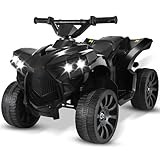


MAMIZO 6V Kids Electric Ride on Car, ATV Quad Bike with MP3 Music Player, Trumpet and LED Lights, USB Charging, Children Vehicle Quad Electric Car 3-5 km/h, for 3 Years Old Boys Girls, Black
15% Off

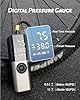


Electric Bike Pump, 150Psi Portable Bicycle Tire Pump with Digital Pressure Gauge for E-Bike, Road and Mountain Bicycle Pump, Mini Bike Pump with Presta, Schrader, Dunlop Valve Accessories
£29.99 (as of January 6, 2026 08:34 GMT +00:00 - More infoProduct prices and availability are accurate as of the date/time indicated and are subject to change. Any price and availability information displayed on [relevant Amazon Site(s), as applicable] at the time of purchase will apply to the purchase of this product.)


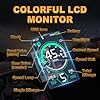
Vikzche Q Freesky M530 Electric Bike, Dual Brushless Motors, 48V 30Ah Battery, 26" x 4" Fat Tires, Hydraulic Brakes, Full Suspension, LCD Color Display, Range 120KM (Black)
£1,499.00 (as of December 13, 2025 04:23 GMT +00:00 - More infoProduct prices and availability are accurate as of the date/time indicated and are subject to change. Any price and availability information displayed on [relevant Amazon Site(s), as applicable] at the time of purchase will apply to the purchase of this product.)

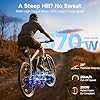


Eleglide Electric Bike, 27.5''/29'' Electric Bicycle for Adults, E Mountainbike, 36V 15Ah Removable Battery,Max Range 125KM, Dual Hydraulic Disk Brake, 21 Speed, APP (MTB-2, 27.5'')
£549.00 (as of January 6, 2026 08:34 GMT +00:00 - More infoProduct prices and availability are accurate as of the date/time indicated and are subject to change. Any price and availability information displayed on [relevant Amazon Site(s), as applicable] at the time of purchase will apply to the purchase of this product.)


EVERCROSS EV12M Kids Ride On Motorcycle, Electric Motorcycle with 300W Motor, 5/7.5/15.5 MPH Speed Modos, 9.3Miles Long-Range, 12'' Pneumatic Tire, Motor Cross for Ages 3-12 Children
5% Off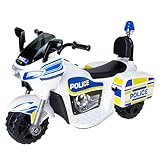




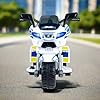
EVO Electric Ride On Police Sports Bike | 6V Battery Powered Motorised Kids Ride-On Bike With Pedal Driven Car Forward Function, Working Horn & Lights | Ride-On Toy Vehicle | Ages 2+
£45.99 (as of December 13, 2025 04:23 GMT +00:00 - More infoProduct prices and availability are accurate as of the date/time indicated and are subject to change. Any price and availability information displayed on [relevant Amazon Site(s), as applicable] at the time of purchase will apply to the purchase of this product.)

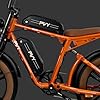


PVY X20 Dual Battery Electric Bike 250W Motor 48V 30Ah 200KM Range Fat Tire 20"*4.0 Hydraulic Brakes Shimano 7-Speed Foldable E-Bike 20km/h All-Terrain Bicycle for Adults (Orange)
£1,149.00 (as of December 13, 2025 04:23 GMT +00:00 - More infoProduct prices and availability are accurate as of the date/time indicated and are subject to change. Any price and availability information displayed on [relevant Amazon Site(s), as applicable] at the time of purchase will apply to the purchase of this product.)



ESKUTE M100+ Electric Bike, 27.5" Electric Mountain Bike, 250W Brushless Motor, 36V 13Ah Removable Battery, LCD Display, E-MTB E-bike Electric Bicycle For Adults Men Women
£468.00 (as of January 6, 2026 08:34 GMT +00:00 - More infoProduct prices and availability are accurate as of the date/time indicated and are subject to change. Any price and availability information displayed on [relevant Amazon Site(s), as applicable] at the time of purchase will apply to the purchase of this product.)


Foldable Electric Bike,14" Portable Folding E-Bike, City Bike, 48V 10AH Battery, 250W Motor, 25KMH Speed, Disc Brakes, Triple Suspension, 3 Riding Modes, Rear Seat, Recycle Energy System, Black, New!
6% Off


Leave a Reply